
Public Info Statement - Prepare for Hurricane Season NOW Read More >
.PNG)
WSO Pago Pago is located near the Pago Pago International Airport in American Samoa. The office is the only National Weather Service office located in the Southern Hemisphere and in the South Pacific.
WSO Pago Pago operates 24 hours a day, providing public weather forecasts and warnings, including coastal advisories and marine forecasts and warnings, in both English and Samoan, while working towards the NWS mission of "Protecting Life and Property".
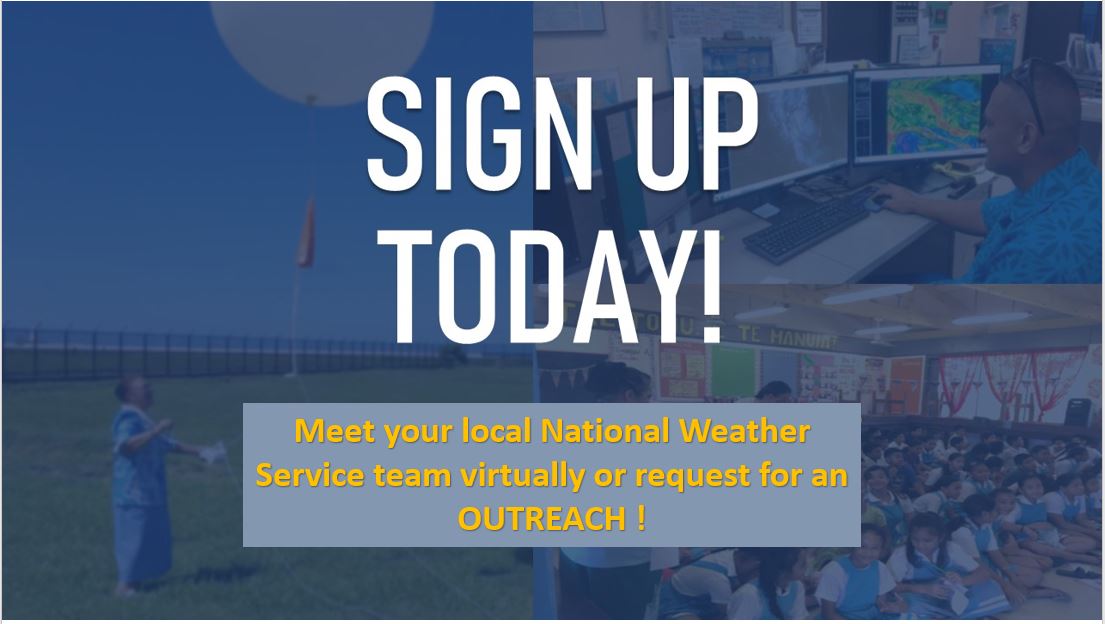
In addition to issuing forecasts and warnings, the WSO Pago Pago office launches weather balloons twice a day to gather information about the upper atmosphere. This information is used by the staff at WSO Pago Pago, and also at other offices across the NWS as the information from all balloon launches are incorporated in the various computer models meteorologists use. WSO Pago Pago also monitors for any nearby earthquake/tsunami event that could potentially impact the territory and work closely with the Pacific Tsunami Warning Center in Honolulu.
During tropical cyclones, WSO Pago Pago works with the Central Pacific Hurricane Center in Honolulu, HI and the Meteorological Service Offices in Apia, as well as the World Meteorological Organization's Nadi office to issue watches and warnings for American Samoa.
Video: Pacific Islander Heritage Month - May 2018
Read about our building dedication on November 3, 2003.
See pictures from our building dedication on November 3, 2003.
Tropical Cyclone Heta (2003/2004 Tropical Season)


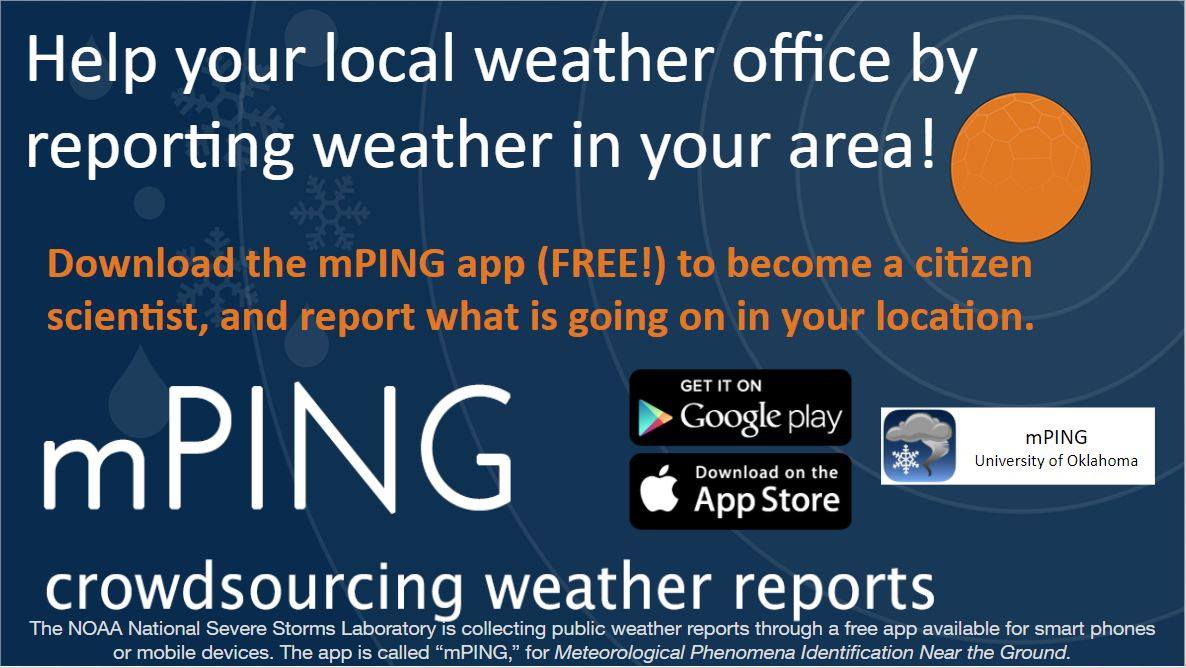 mPING (Ripoti mai Tala o le Tau)
 Pacific Tsunami Warning Center (PTWC)
 Previous 36hrs Airport Obs (Vaaiga o le Tau i le Malae Vaalele)
 Submit a Storm Report (Ripoti mai le Tau)
 Sunrise/Sunset Info (Oso/Goto le La)
 Tides Info (Tala o le Tai)
 Follow us on X
 Follow us on Facebook
 PPG RSS Feed