National Weather Service United States Department of Commerce

Extreme Heat Continues; Severe Thunderstorms into Upper Midwest; Strong Bering Sea Storm

Wildfires and poor air quality continue for the Pacific Northwest, Rockies and extended into the Plains. Severe thunderstorms possible for the northern Plains and upper Midwest on Monday along a frontal boundary. Another boundary will focus showers and thunderstorms for the eastern seaboard with localized heavy rainfall possible. For Alaska, a strong Bering Sea storm will bring winds and rainfall. Read More >

Frequently Requested Resources

Hazardous Weather Strategy Guides

Alerting Systems


With technology today, there are many ways to be alerted to weather warnings.  The most important point is to be intentional and proactive:  

  1. Have multiple ways to receive warnings.
  2. Know which hazards alert on the various systems.
  3. Choose the alert methods that work best for you in different situations (at home, at the ball park, etc.).
  4. React quickly when the hazard occurs. 

Some Types of Alerting Systems

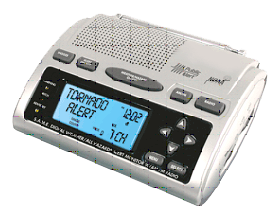
picture of NOAA Weather Radio
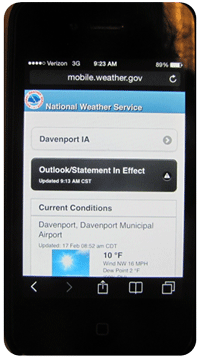
picture of cell phone
 

Family Preparedness


Any time of year, there are three simple steps you can take to be more prepared:

Build a kit. Your emergency supply kit should have everything you need to sustain you and your family for 3-5 days.  

Make a plan. Knowing what to do in the event of an emergency is key. Make sure everyone in your family knows what to do. 

Be Aware. Learn about the hazards that can affect your community, and learn how to get information about current weather and road conditions.


Dig deeper at beready.iowa.gov or ready.illinois.gov


Especially for Storm Spotters


Trained storm spotters play a critical role in effective and timely warning decisions. If you are already a spotter, thank you!  If not, please learn more below!

Resources for Spotters 

Spotters and Amateur Radio

About Storm Spotters