The nor’easter will weaken tonight, easing beach conditions and coastal flooding, though locally heavy rain will continue in parts of the Mid-Atlantic and New England into Monday. Hurricane Nolo continues to bring strong winds and large waves to Hawaii. A multi-day rain event will return to the Four Corners region Monday and expand to the south-central U.S. by midweek. Read More >
ZAN CWSU PLANNING BRIEFing
Refresh page for the latest information.
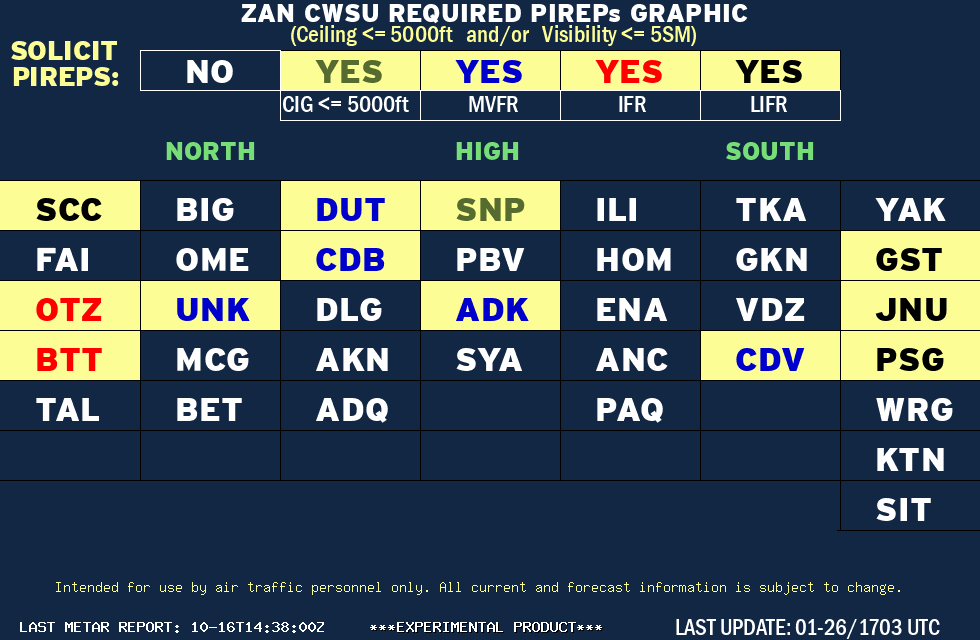
Refresh page for most current information.
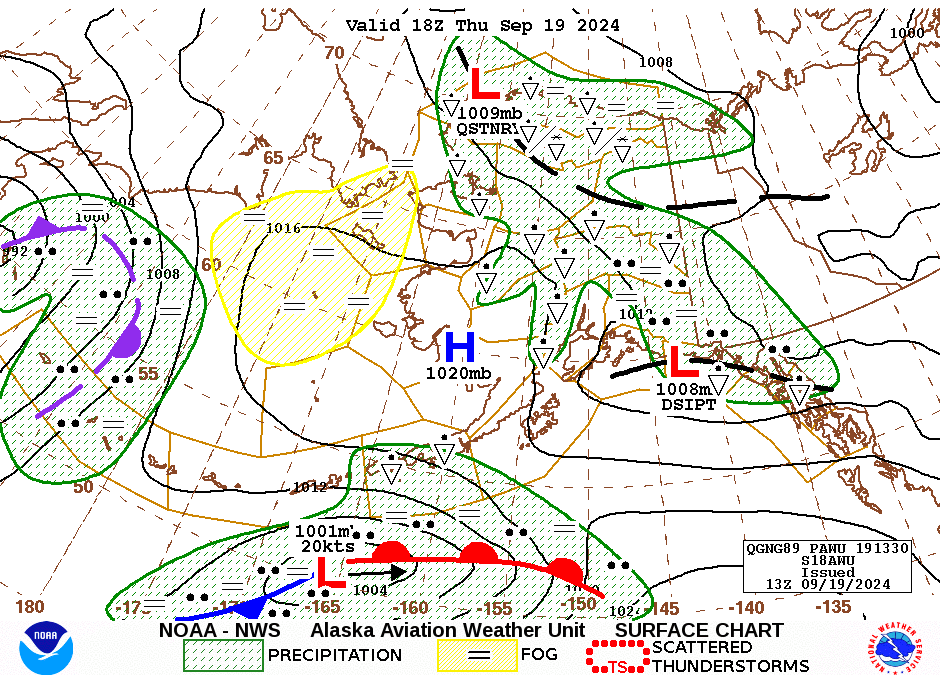
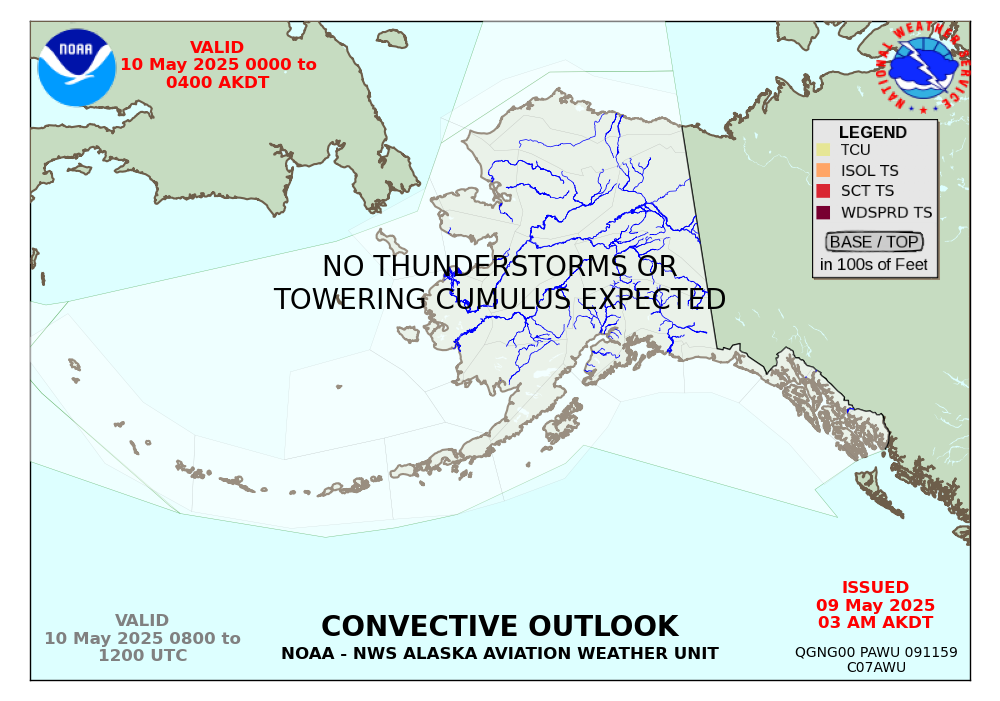
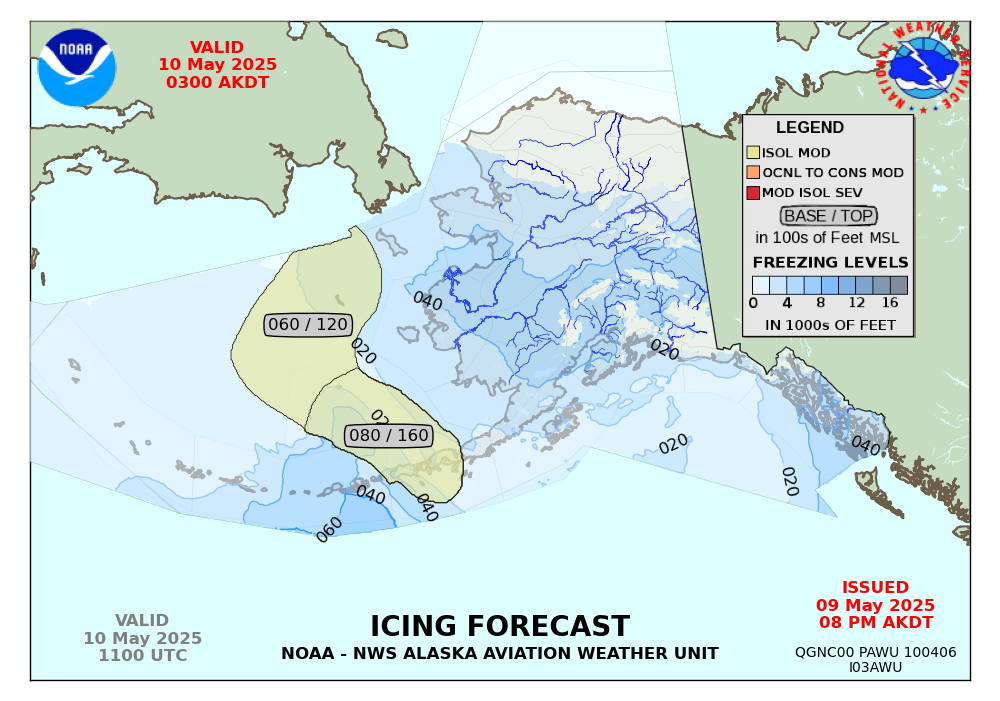
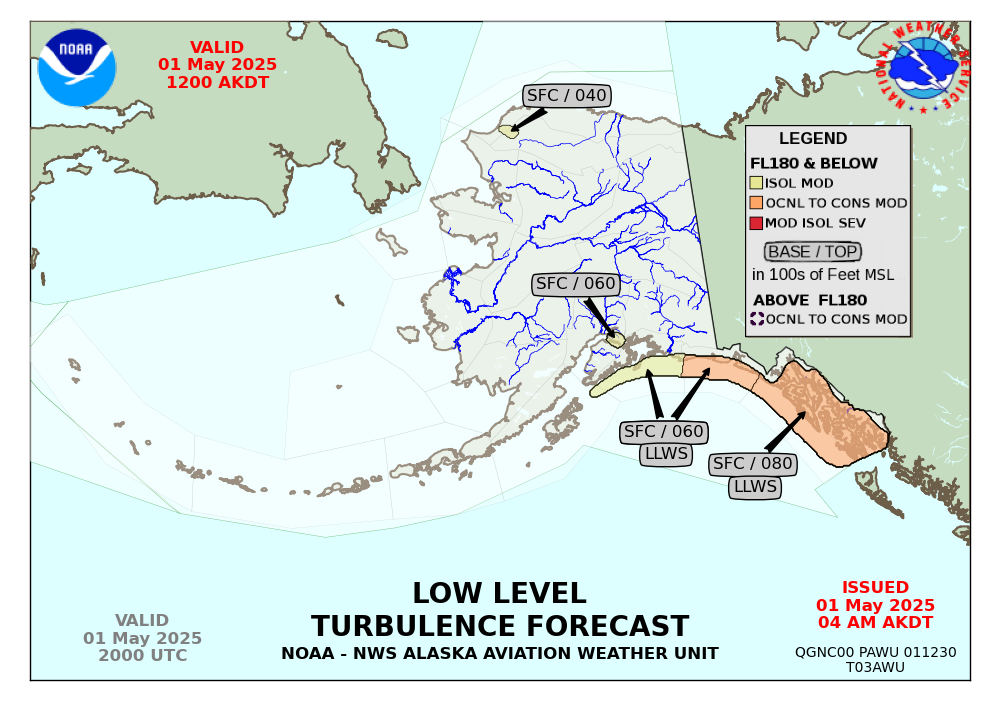
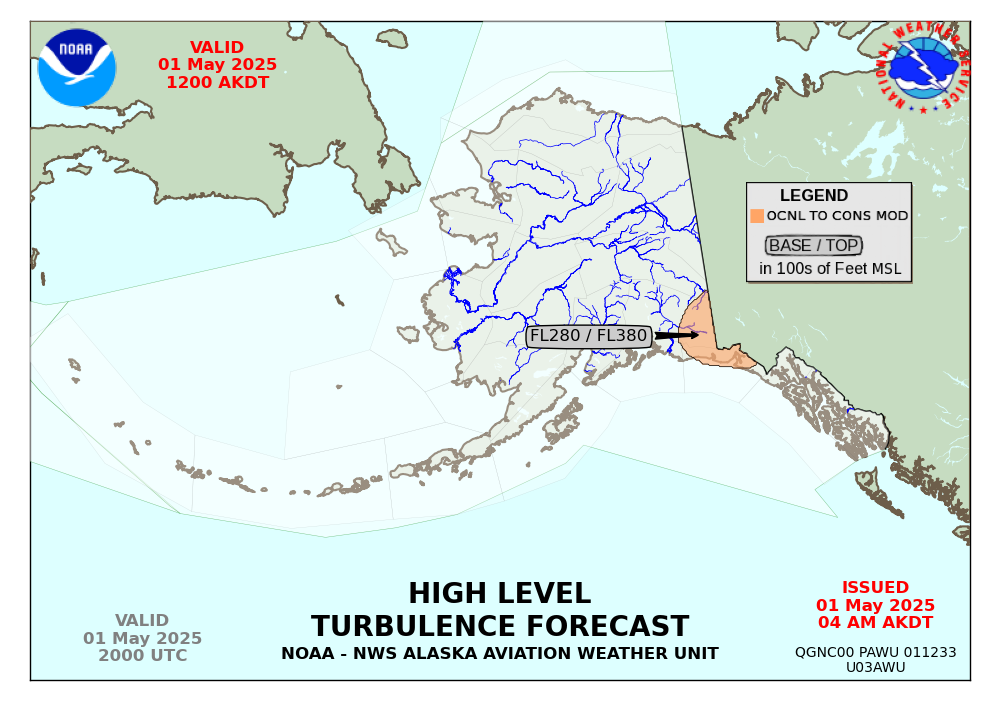
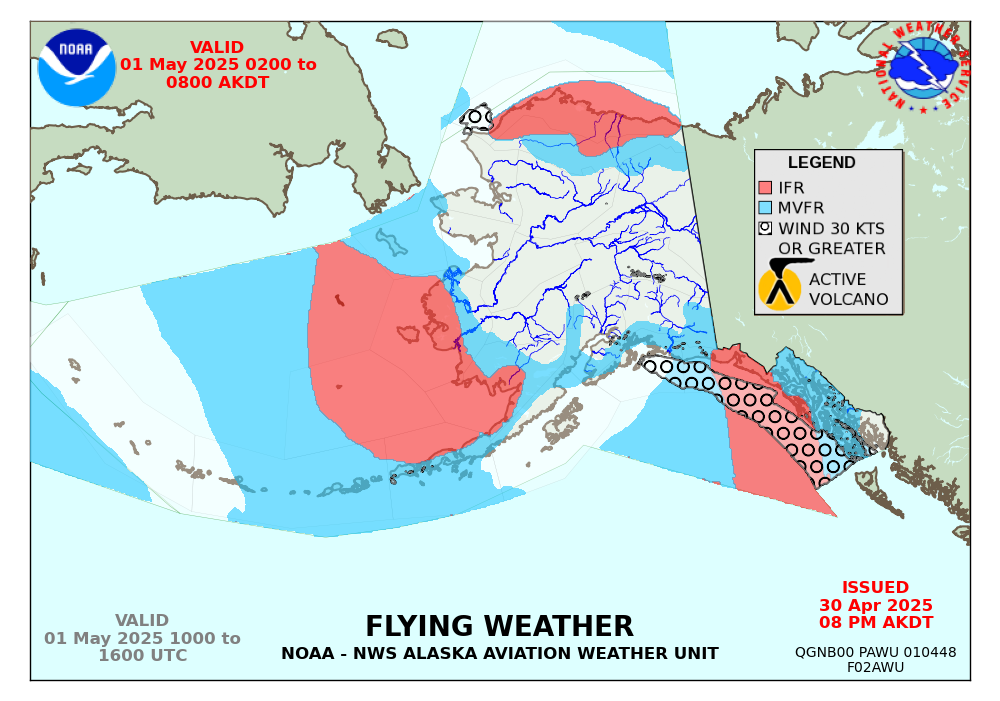
Anchorage Center Weather Service Unit Center Weather Service meteorologists provide weather support and consultation to FAA air traffic managers and controllers. Rerouting of aircraft around hazardous weather is based largely on forecasts provided by the CWSU meteorologist. National products issued by the CWSU meteorologist include Center Weather Advisories (CWA) and Meteorological Impact Statements (MIS). The CWA is a short term advisory valid for two hours or less describing areas of hazardous weather in progress or forecast to develop. The MIS is a forecast product valid up to 24 hours describing areas of weather that may impact air traffic operations.
ZAN CWSU meteorologists provide formal weather briefings to FAA supervisors within the Anchorage Air Route Traffic Control Center (ARTCC) for the day and evening shifts. Verbal briefings are given to individual controllers at the ARTCC and tower control facilities around the ZAN airspace, as well as to equipment technicians when weather conditions dictate. Two types of written products are also provided by the CWSU meteorologists. The Meteorological Impact Statement (MIS) is a 4 to 24 hour planning forecast of weather conditions expected to impact the ZAN air traffic. The Center Weather Advisory (CWA) is a short-term warning of hazardous weather conditions provided to all aviation interests, including private pilots, towers, flight service stations, and commercial airlines. Thus, a CWA is similar to but more localized than AIRMETs and SIGMETs issued by the Alaska Aviation Weather Unit (AAWU).


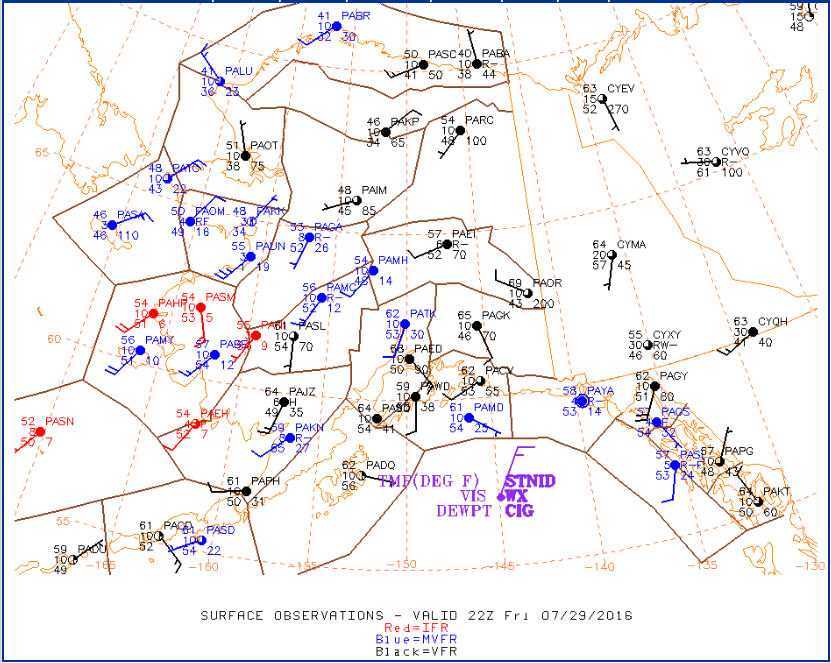 Hourly Observations
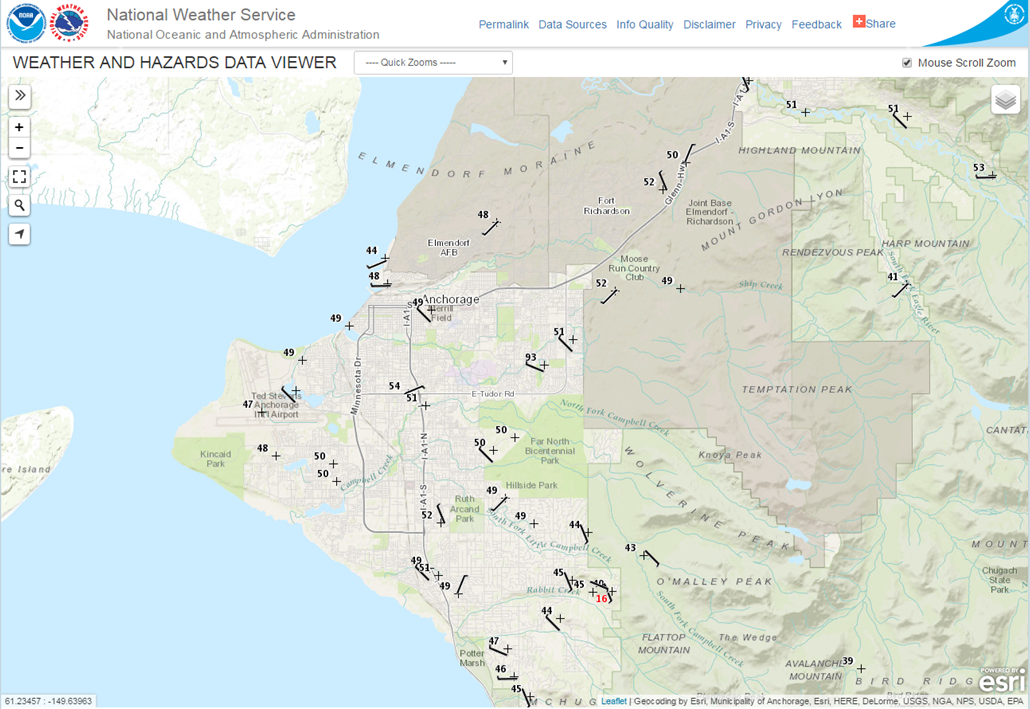 Mesonet / Obs
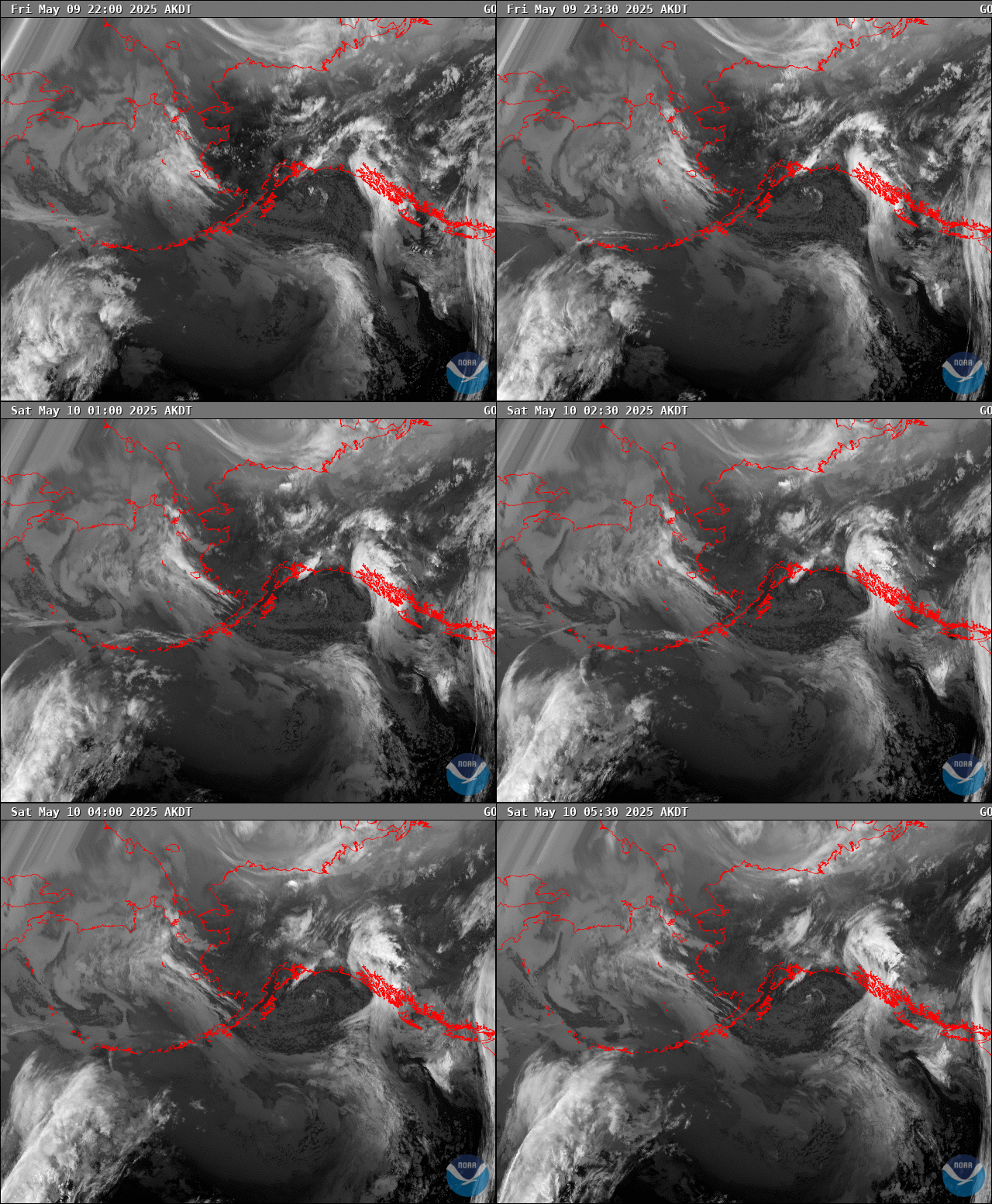
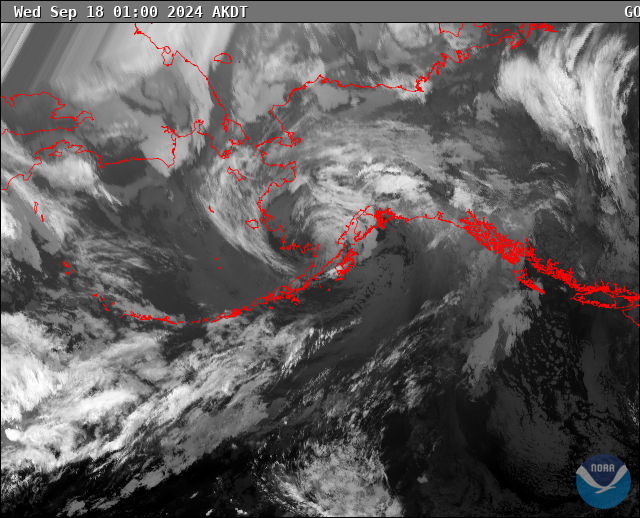 Satellite
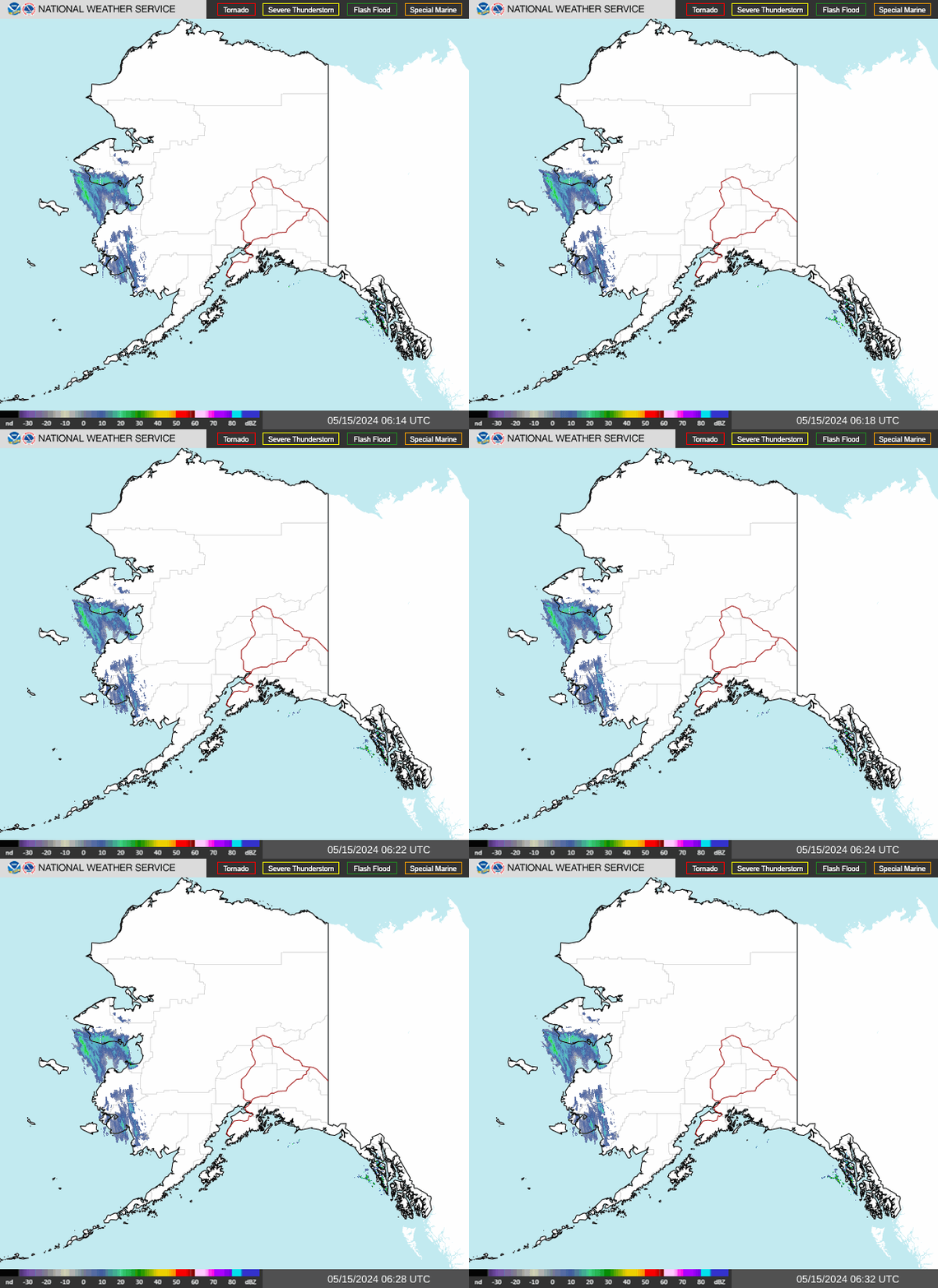
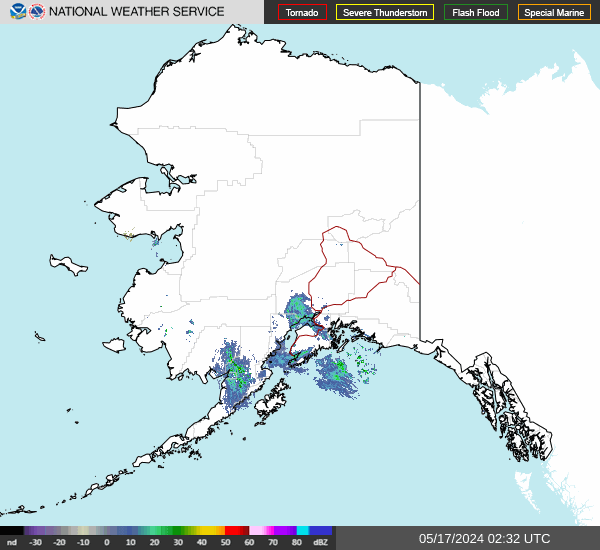 Alaska Radar
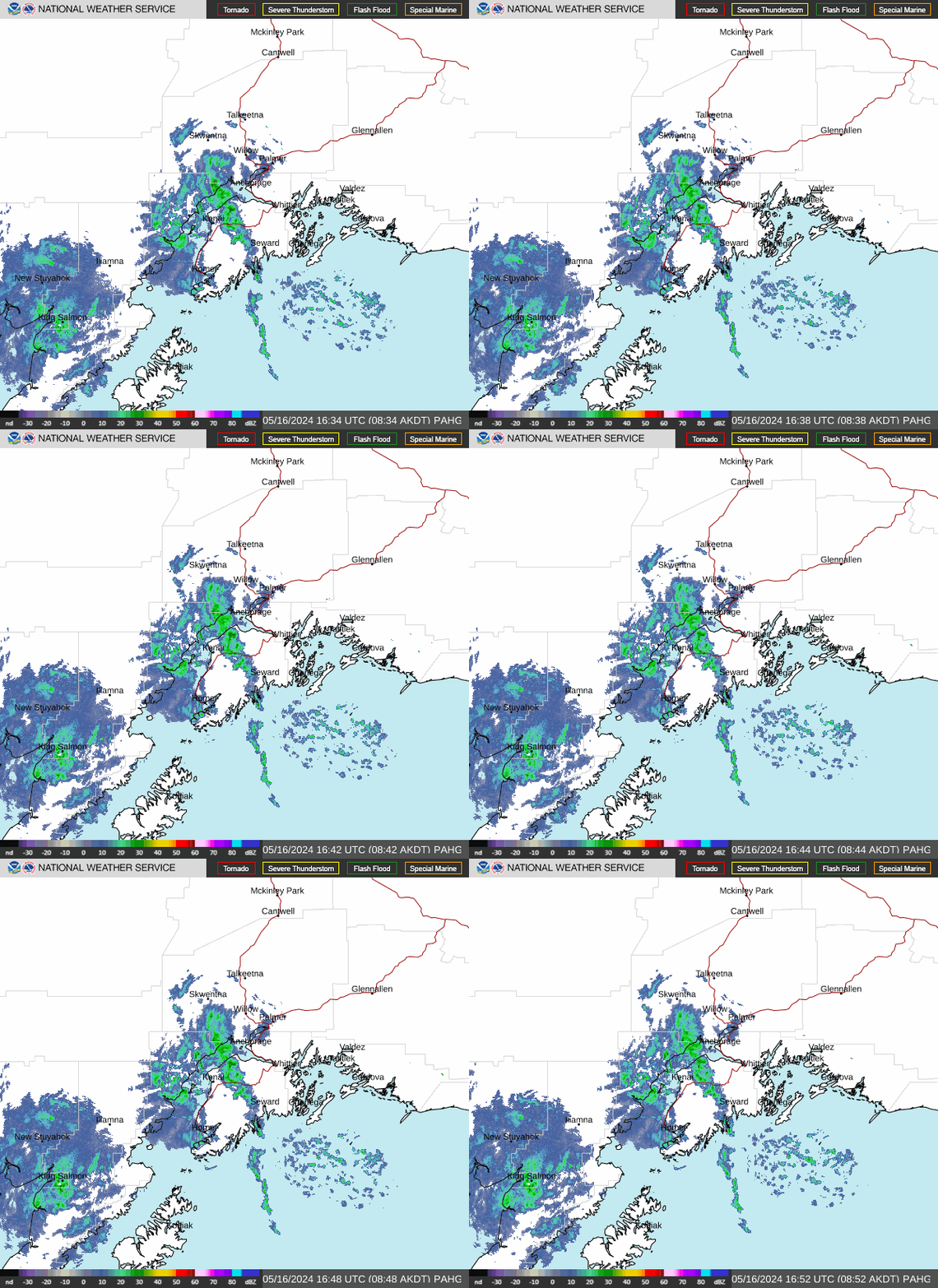
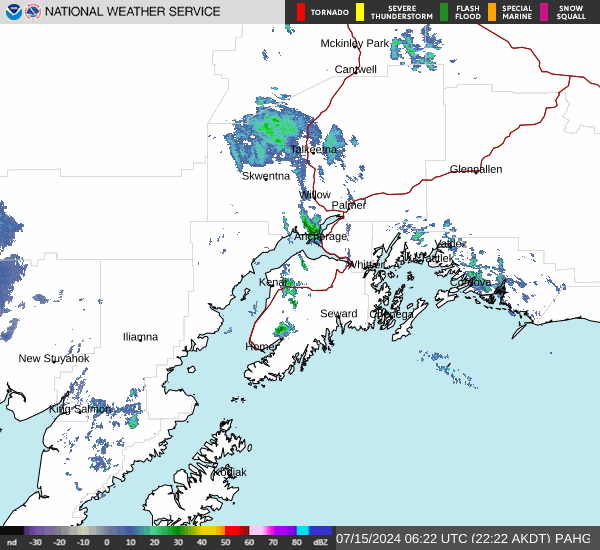 Kenai Radar
 Graphical Forecasts
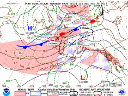 SigWX Charts
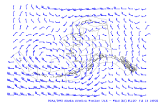 Winds Aloft
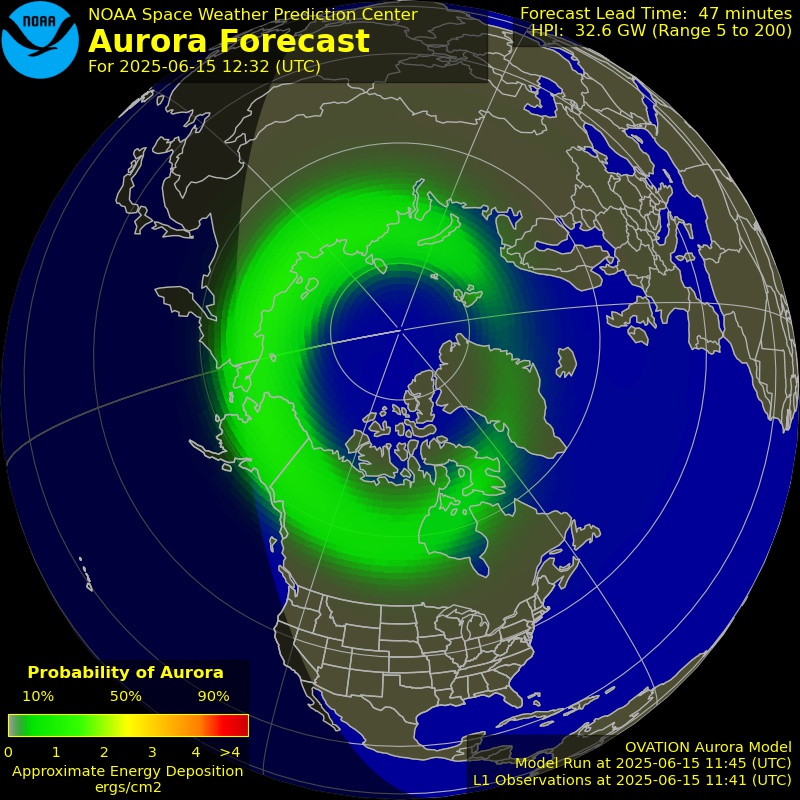 Space Weather
 FAA Webcams
 Sunrise / Sunset Times
 Follow us on Twitter
  Follow us on Facebook
  Follow us on YouTube
  AFC RSS Feed